What Is Skin Ageing? Understanding Intrinsic and Extrinsic Factors

Quick answer:

When people compare intrinsic vs extrinsic skin ageing, they are really asking about two different sets of influences on how skin changes over time. Intrinsic ageing is the natural process governed largely by genetics and the passage of time. Extrinsic ageing refers to changes driven by external factors such as sun exposure, environment and lifestyle.

Understanding intrinsic vs extrinsic skin ageing is useful because the two overlap in real life. Everyone experiences intrinsic ageing, but the extrinsic factors are the ones we can influence most, which is why sun protection and skin habits get so much attention, particularly in a sunny climate like Singapore’s.

What is skin ageing?

Skin ageing describes the gradual changes in the skin’s structure and appearance over time. Collagen and elastin, the proteins that give skin firmness and stretch, decline gradually, and the skin’s ability to retain moisture and renew itself changes. The result can include fine lines, wrinkles, reduced firmness and shifts in texture and tone.

These changes are normal, but their pace and pattern vary from person to person. That variation is largely explained by the balance between intrinsic and extrinsic factors.

Intrinsic skin ageing

Intrinsic ageing is sometimes called chronological ageing because it reflects the natural passage of time. It is influenced mainly by:

  • Genetics, which shape skin type and how it ages.
  • Time, as cell renewal and collagen production naturally slow.
  • Hormonal changes, which can affect skin over the years.

Intrinsic ageing tends to produce fine lines, gradual thinning of the skin and a slow loss of elasticity. Because it is built into our biology, it cannot be prevented, though understanding it helps set realistic expectations. Changes associated with facial ageing, such as gradual loss of firmness, are partly intrinsic.

Extrinsic skin ageing

Extrinsic ageing results from external influences that add to the natural process. The most significant is sun exposure, often called photoageing. Others include pollution, smoking, diet and repeated facial movements. Common extrinsic contributors are:

Unlike intrinsic ageing, many extrinsic factors are within our control, which is why prevention focuses here.

Why the Singapore climate is relevant

Singapore’s location near the equator means high UV levels throughout the year, so cumulative sun exposure is a year-round consideration rather than a seasonal one. Heat, humidity and an active outdoor lifestyle all add to daily UV exposure. This makes consistent, broad-spectrum sun protection one of the most practical steps for reducing extrinsic ageing.

Everyday habits that support the skin include:

Applying broad-spectrum sunscreen daily and reapplying when outdoors.

Using shade, hats and sunglasses during peak sun hours.

Not smoking, and moderating alcohol.

Staying hydrated, which is easy to overlook in the heat.

Keeping a gentle, consistent skincare routine.

Sun-related pigmentation is one visible sign of extrinsic ageing; Cienna’s skin pigmentation page explains more about uneven tone and dark patches.

How intrinsic and extrinsic factors work together

In practice, the two forms of ageing overlap. Intrinsic ageing sets the underlying trajectory, while extrinsic factors can accelerate or add to it. Two people of the same age can have visibly different skin depending on sun exposure, lifestyle and environment over the years. This is encouraging, because it means daily choices, especially sun protection, can meaningfully influence the extrinsic component.

An aesthetic doctor can help you understand which factors are most relevant to your skin and how to protect it. Cienna’s overview of signature treatments shows the kinds of concerns commonly discussed, always alongside prevention and good habits rather than in place of them.

Here’s the table. I’d put it right before “How intrinsic and extrinsic factors work together”, so the reader sees the split before the paragraph on how they overlap.


Intrinsic ageing

Extrinsic ageing

What drives it

Genetics, the passage of time and hormonal changes

Sun exposure, pollution, smoking, diet, sleep, stress and repeated facial movements

When it starts

From the mid-20s, as collagen production and cell renewal gradually slow

Whenever exposure begins, and it builds up over the years

How it shows on the skin

Fine lines, gradual thinning, slow loss of elasticity, drier skin

Deeper lines, uneven tone and dark patches, rough texture, more visible loss of firmness

How much you can change it

Not preventable, it is part of normal biology

Largely modifiable, which is where prevention is worth the effort

What helps most

Realistic expectations and a gentle, consistent routine

Daily broad-spectrum sunscreen, shade at peak hours, not smoking, sleep and hydration

Why it matters in Singapore

Follows the same course wherever you live

UV is high all year, so exposure accumulates without a seasonal break

When to seek professional advice

Consider an assessment if you have specific concerns about lines, firmness, texture or pigmentation, or if you would like guidance on protecting your skin over time. An accredited aesthetic doctor can help you separate what is natural from what is modifiable and set realistic expectations.

Disclaimer: This page is intended for general information and does not constitute medical advice. Please consult our doctor at Cienna Aesthetics to find out whether a treatment is suitable for you.

faqs

Frequently Asked Questions About Density Noir

Is Density Noir painful?

Most people find the treatment comfortable. Adjustable cryogen cooling helps manage the sensation of heat during the session.

Downtime is minimal to none. Some temporary warmth or mild redness may occur but usually settles quickly, and most people resume normal activities right away.

Many people notice a visible improvement immediately after treatment, with further firming developing gradually over the following months as collagen renews.

Results are progressive and may continue to improve over many months. Longevity varies with age, skin condition and lifestyle, and maintenance sessions may be recommended.

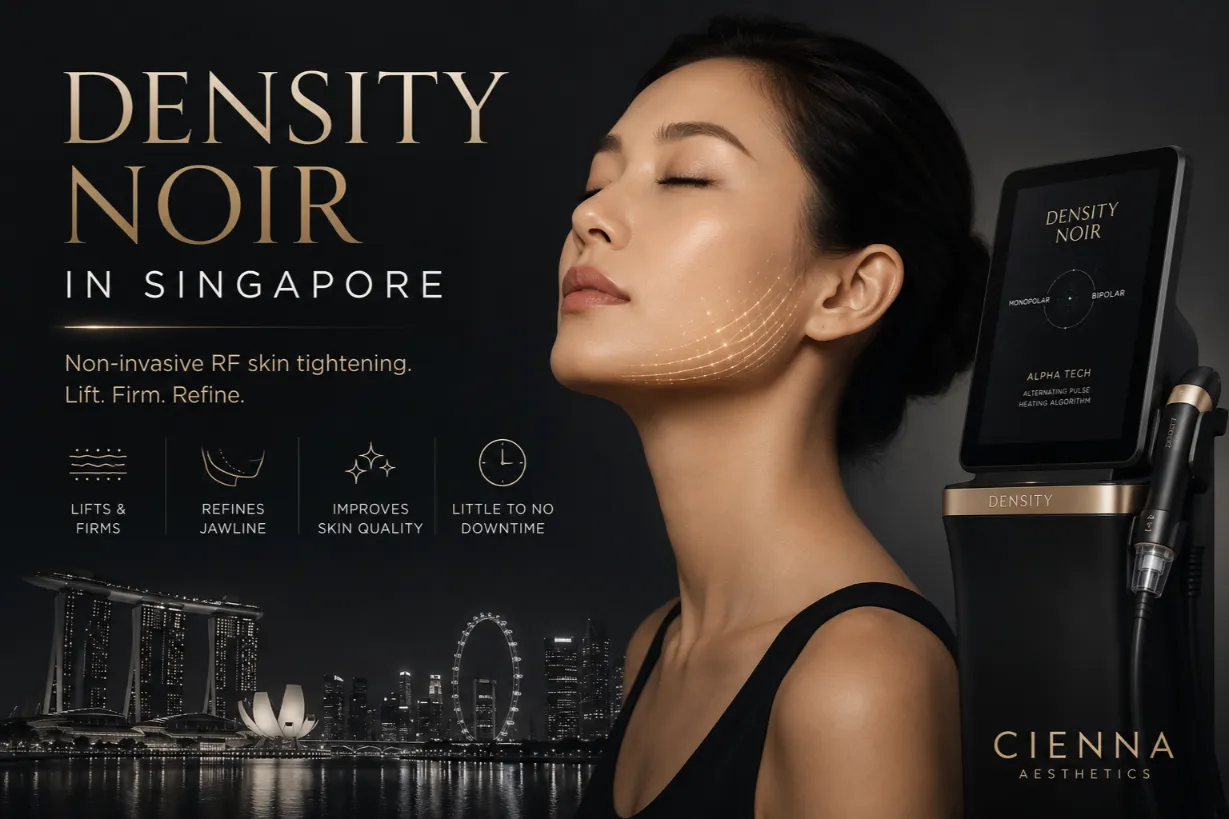
Density Noir delivers both monopolar and bipolar RF in one pulse, aiming to combine an immediate tightening effect with deeper, longer-term remodelling in a single treatment.

It may not be suitable during pregnancy, with certain medical conditions, or for people with pacemakers or other implanted electronic devices. A consultation helps determine suitability.

Disclaimer: This page is intended for general information and does not constitute medical advice. Please consult our doctor at Cienna Aesthetics to find out whether a treatment is suitable for you.

Ready to Transform Your Body?

Discover how Onda Pro can help you achieve the body contours you’ve been working toward—without surgery, downtime, or compromise.

Book your consultation today and take the first step toward your goals.

Individual results may vary. A consultation with our doctors is required to determine treatment suitability and customize your treatment plan. Cienna Medical Aesthetics is committed to providing safe, evidence-based aesthetic treatments in Singapore.

Learn More

Other Procedures

CAHA Filler in Singapore

CAHA filler is a dual-action injectable that combines hyaluronic acid (HA) with calcium hydroxyapatite (CaHA) to restore facial volume, lift and contour the face, and stimulate your body’s own collagen at the same time.